Most pool owners are best served by an automatic submersible cover pump with a float switch, because it turns itself on when water pools and shuts off when the cover is dry. If you get heavy rain or snow melt, size up to a higher gallons-per-hour model. If you drain only a few times a year, a simple manual pump is plenty. Standing water on a cover is heavier than it looks (a couple inches across a full cover can weigh hundreds of pounds), so clearing it protects your cover, your straps, and your pool.
A cover pump is a small submersible pump that sits on top of your winter or safety cover and moves puddled rain or melt water off to the side. Below are angles to match your situation. Note: the exact products in our catalog for this topic are pool chemicals, not pumps, so the picks below point you to the pump features to look for, and the chemistry products are for cleaning up after you drain.
| Pick | Best for | Watch out for |
|---|---|---|
| Automatic float-switch pump | Most pools, hands-off draining | Float can foul with debris |
| High-GPH submersible | Heavy rain and snow regions | Higher power draw, price |
| Quiet low-profile pump | Close neighbors, patios | Usually lower flow rate |
| Manual on-demand pump | Occasional draining | You have to babysit it |
| Small backup pump | Tight spots, top-off duty | Not for big loads |
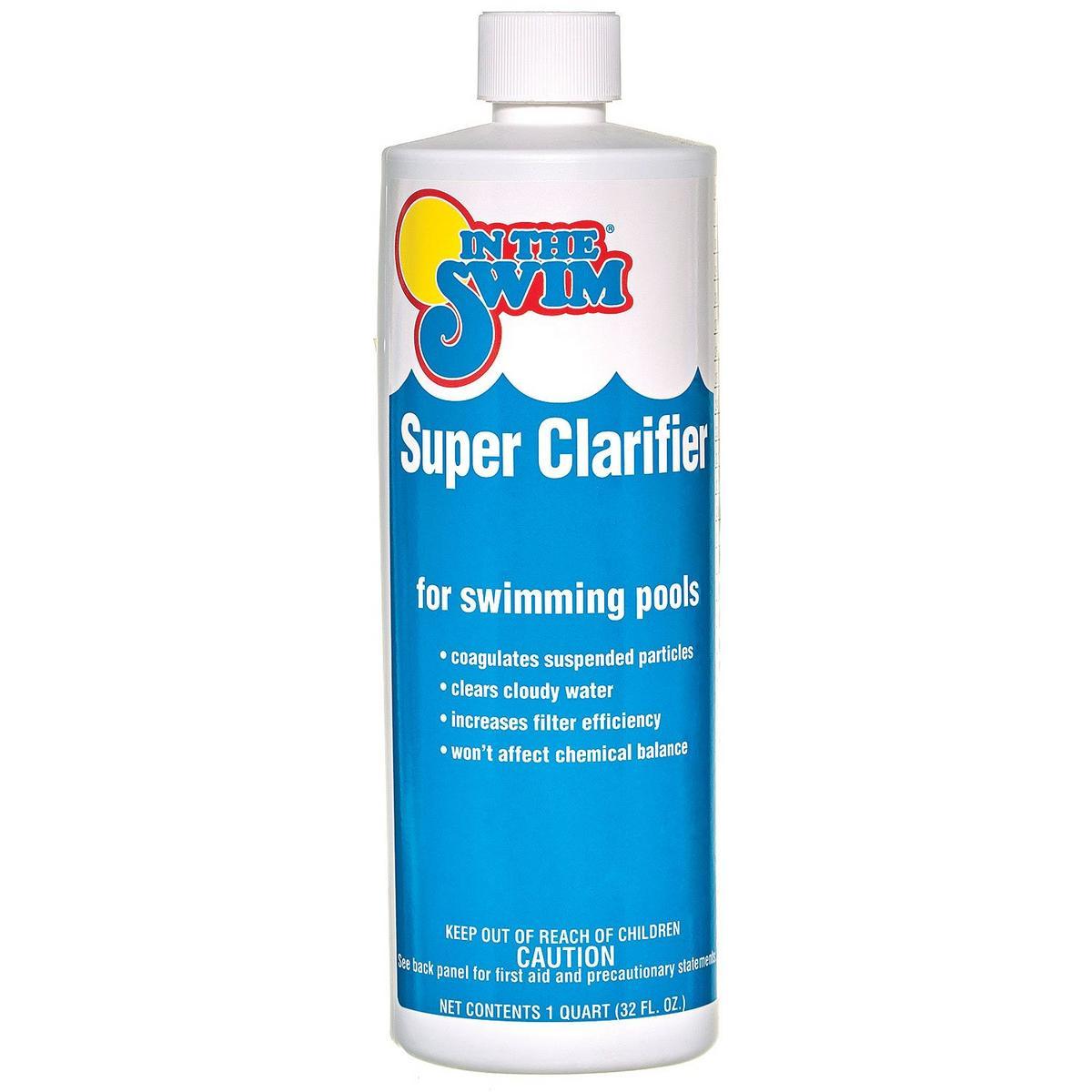
Best overall for most pools: In The Swim Super Clarifier (1 Quart)
Budget
An automatic pump with a float switch is the right default for most backyards, and once the water is off the cover you will want In The Swim Super Clarifier (1 Quart) on hand. Cover water drags in fine dirt and organic haze, and a clarifier helps your filter grab those small particles after you reopen or top off the pool.
The tradeoff with automatic pumps is the float switch itself. Leaves and grit can jam it so it runs dry or fails to start, so plan to rinse the intake screen every few weeks. Owners report float reliability is the single biggest difference between a pump that lasts and one that dies in a season.
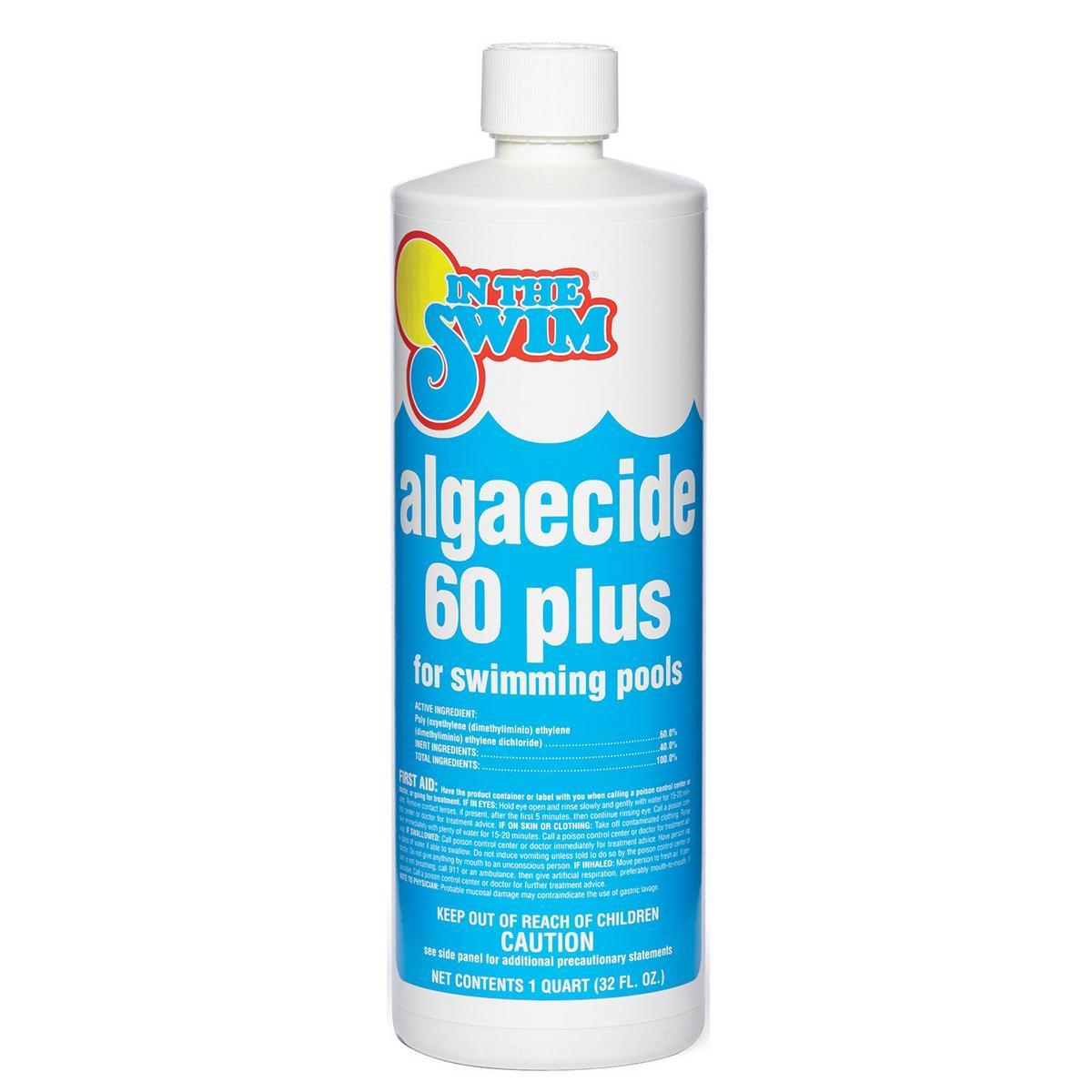
Best for heavy rain and snow regions: In The Swim Algaecide 60 Plus (1 Quart)
Budget
If you live where storms dump inches at a time, prioritize a higher gallons-per-hour submersible pump so it keeps up before water stresses the cover. Standing water that sits for days also grows algae, so In The Swim Algaecide 60 Plus (1 Quart) is worth keeping nearby for the water underneath and any that drains back in.
High-flow pumps pull more power and cost more, and some are physically taller, which matters if your cover sits low. Check the listed flow rate and discharge hose size against your typical rain load rather than guessing.
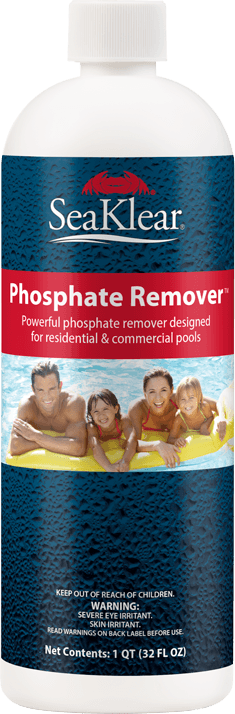
Best for keeping the water underneath clean: SeaKlear Phosphate Remover (1 Quart)
Budget
No pump keeps a cover perfectly dry, and whatever seeps under feeds algae through phosphates from leaves and pollen. SeaKlear Phosphate Remover (1 Quart) helps starve that algae between drainings, especially on a pool closed for the season.
Phosphate removers are a maintenance step, not a rescue, so pair one with regular pumping. Cloudy results after dosing are normal, and your filter clears them, but flow and dose depend on your pool volume, so follow the label.
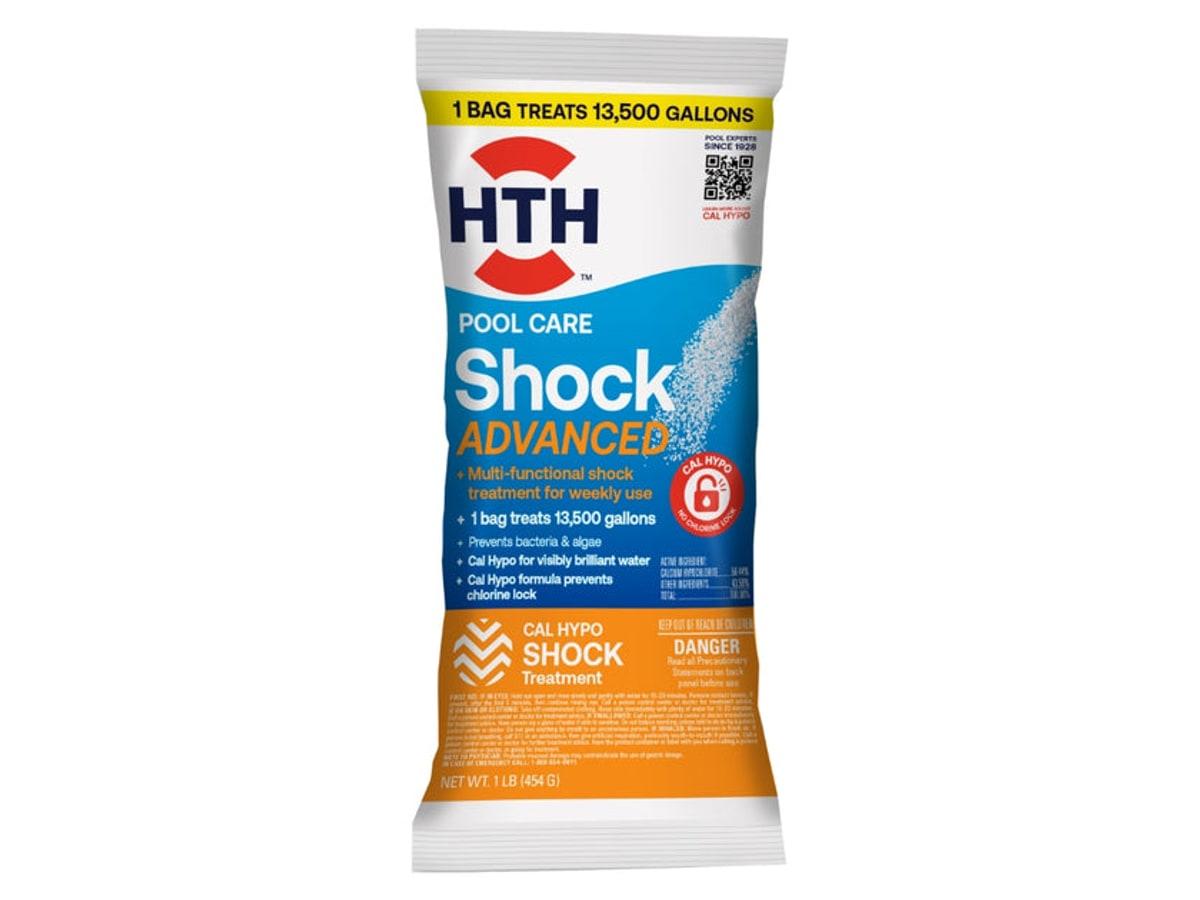
Best for a fast reopening: HTH Super Shock Treatment (Cal-Hypo, 1 lb bags)
Budget
When you pull the cover in spring after a winter of standing water, the pool underneath is usually dark and low on sanitizer. HTH Super Shock Treatment (Cal-Hypo, 1 lb bags) raises free chlorine quickly to knock back what grew while the cover collected water. Chlorine is the sanitizer that kills germs and algae, and the CDC treats maintaining it as core to safe swimming.
Cal-hypo shock also nudges calcium hardness and pH up over time, so retest afterward. Handle and store it carefully and away from other chemicals, since the EPA and NPIC both flag pool shock as a reactive product that needs dry, separate storage.
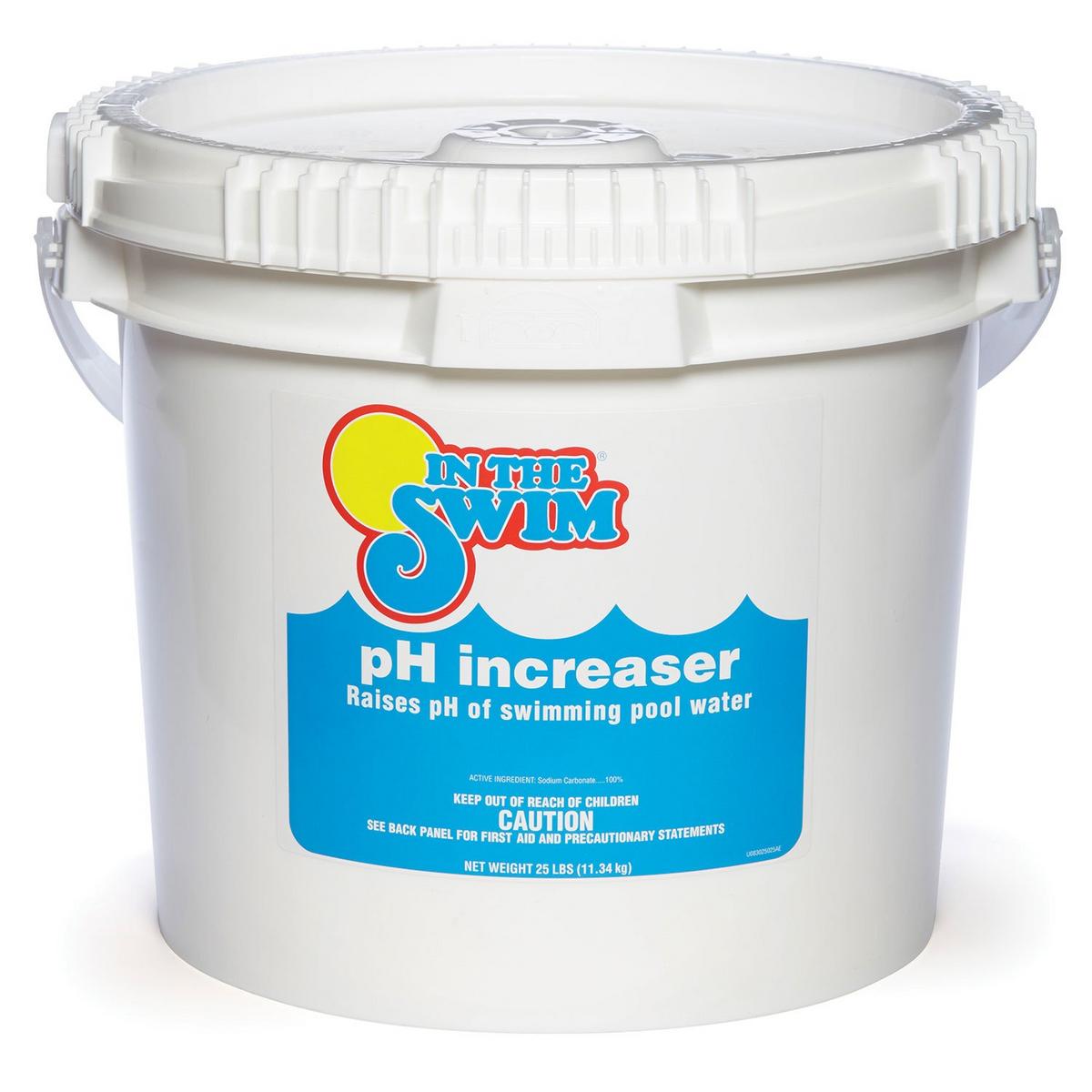
Best for rebalancing after you drain: In The Swim pH Increaser (Soda Ash, 25 lb)
Budget
Rain and melt water that sits on a cover tends to be acidic and low in minerals, so after you drain it or it seeps in, your pH often drops. In The Swim pH Increaser (Soda Ash, 25 lb) brings pH back into the 7.2 to 7.8 range where chlorine works well and your surfaces are protected.
Add it slowly and retest, because soda ash also raises total alkalinity. If you are new to the order of adjustments, our pool chemistry basics guide walks through which number to fix first so you are not chasing your tail.
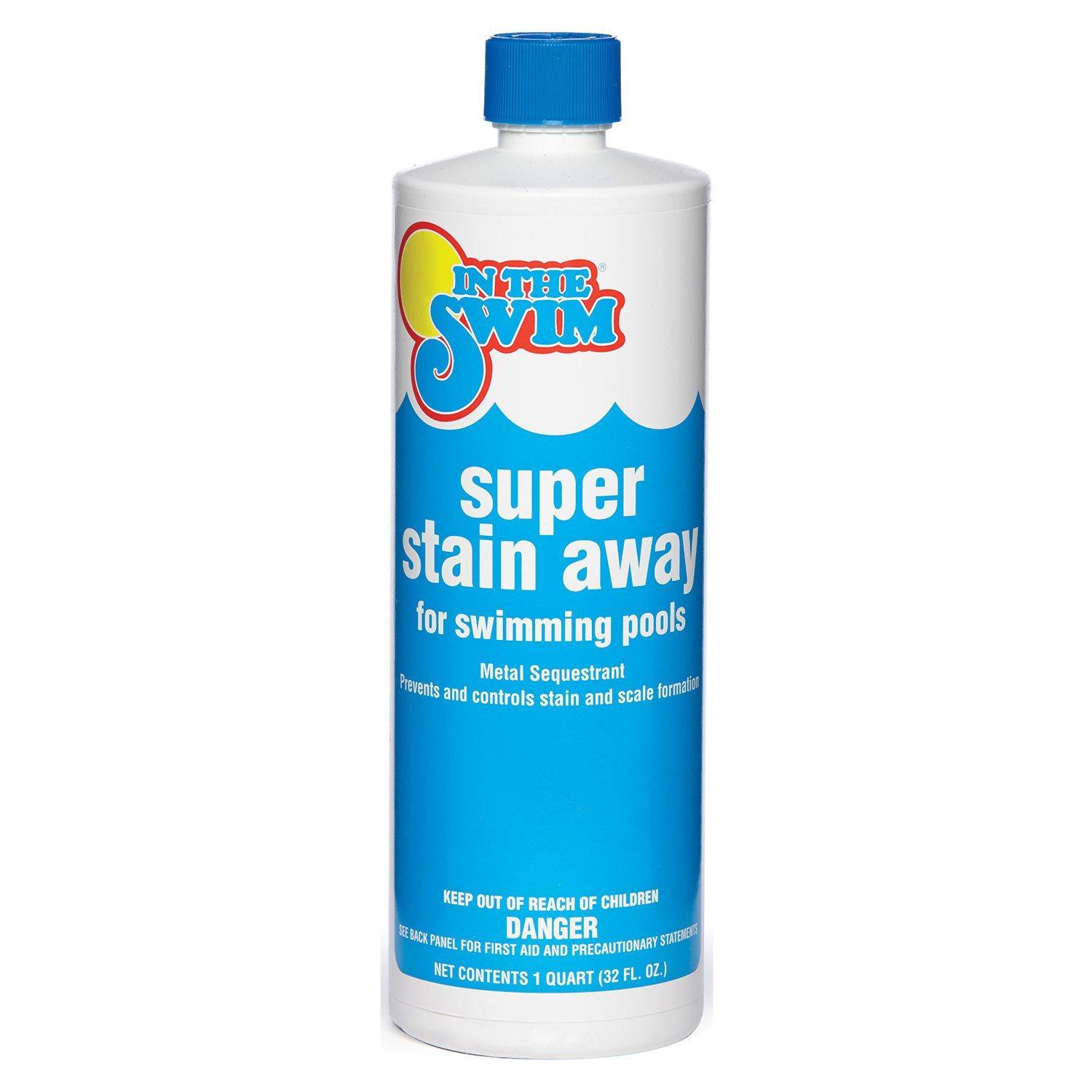
Best small backup for tight spots: In The Swim Super Stain Away (Stain & Metal Control, 1 Quart)
Budget
A small secondary pump is handy for corners where the main pump cannot reach, or for topping off duty. When cover water carries iron or copper from runoff, those metals can stain your surfaces once they hit the pool, and In The Swim Super Stain Away (Stain & Metal Control, 1 Quart) helps hold them in suspension so your filter can deal with them.
Stain and metal control is a preventive, not a paint remover, so use it before staining sets in. If you already see brown or green streaks, the fix depends on the metal and the surface, and sometimes it is a call for a pro.
How to keep any cover pump working
Put the pump on the lowest point of the cover so water actually reaches it, and keep the intake screen clear so it does not run dry. Run the discharge hose well away from the pool and the house foundation, not back into the water, so you are not diluting your chemistry every storm.
Bring the pump in before a hard freeze unless it is rated to sit in cold, and check it after big weather. For the chemicals you will lean on before and after draining, see our maintenance supplies page. If you run a salt pool or a spa, the same standing-water rules apply, and our saltwater pool maintenance guide and hot tub maintenance guide cover the wrinkles specific to those setups.
Frequently asked questions
Do I really need a cover pump, or can I just use a broom?
For a light puddle after one storm, a pool cover broom pushes water off the edge fine. But standing water that keeps coming back, especially over winter, is heavy and stagnant, and a pump saves your back and your cover. It depends on how much rain your area gets and how flat your cover sits.
How much standing water is too much on a pool cover?
Even a couple of inches across a full-size cover is hundreds of pounds, which stretches straps and can pull the cover into the pool. Most owners try to keep it below an inch or two. Check your cover manufacturer's guidance, since mesh and solid covers handle load differently.
Will draining cover water into the pool mess up my chemistry?
It can. Rain and melt water are usually low in chlorine and can be acidic, and cover water often carries debris, so it dilutes and can throw off your balance. Pump it away from the pool when you can, then retest and rebalance. See our pool chemistry basics guide for the order to adjust things.
Can I leave a cover pump running unattended all winter?
Automatic pumps with a float switch are built to cycle on their own, but leaving any pump fully unattended for months is a gamble in freezing weather. Check it after big storms, keep the intake clear, and bring it in before a hard freeze if it is not rated for it. Read the manual for cold-weather limits.
Why does my cover pump keep short-cycling or clicking on and off?
Short-cycling usually means the float switch is set too tight, the water level is right at the trigger point, or debris is fouling the intake screen. Clean the screen, reposition the pump on the lowest spot, and check the float moves freely. If it still cycles with no water, the switch may be failing.