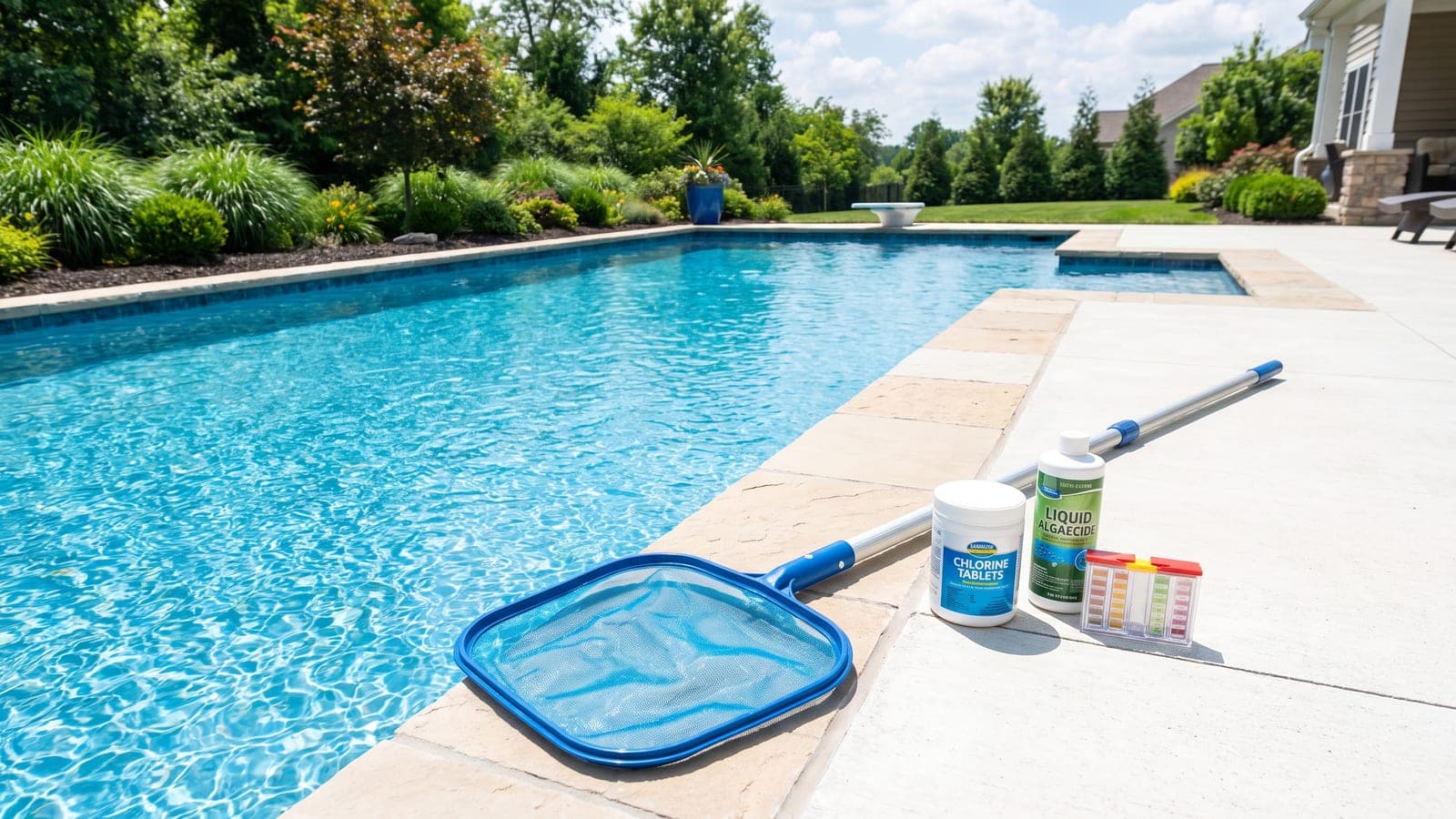
Most pools do not need algaecide as their main defense. Chlorine kills algae, and a pool with steady free chlorine (the active sanitizer level, ideally 2 to 4 ppm) and enough pump runtime rarely turns green. Algaecide is the backup player: worth keeping on the shelf for closing season, low-chlorine stretches, and algae that keeps coming back. If you want one bottle for general use, a polyquat 60 product like In The Swim Algaecide 60 Plus (1 Quart) is the safe default because it does not foam or stain.
Here is how the picks compare before we get into the details.
| Pick | Best for | Watch out for |
|---|---|---|
| In The Swim Algaecide 60 Plus (1 Quart) | Everyday backup and prevention | Slower on an active bloom |
| HTH Super Shock Treatment (Cal-Hypo, 1 lb bags) | Actually killing a green pool | Raises calcium hardness over time |
| In The Swim 3-Inch Stabilized Chlorine Tablets | Steady prevention that avoids algae | Adds CYA, which can stall chlorine |
| SeaKlear Phosphate Remover (1 Quart) | Starving repeat blooms | Not a fast fix, works over days |
| In The Swim Super Clarifier (1 Quart) | Clearing dead algae haze | Does nothing to algae that is alive |
| In The Swim Super Stain Away (Stain & Metal Control, 1 Quart) | Copper-treated or metal-heavy pools | Manages metals, does not kill algae |
Which algaecide should most people get?
For routine prevention, reach for a polyquat 60 algaecide. It is the version that does not foam, does not add copper, and plays nicely with most surfaces and equipment. You add a maintenance dose weekly or after heavy rain, and it quietly backs up your chlorine.
The bigger point is timing. Algaecide is not a rescue tool for a pool that has already gone green. It shines as prevention and as insurance during the windows when chlorine dips, like a hot week with heavy swimmer load or the months your pool sits closed. If you understand your water first, you will use less of everything. Our pool chemistry basics without the lab coat guide covers the numbers that keep algae from getting a foothold in the first place.
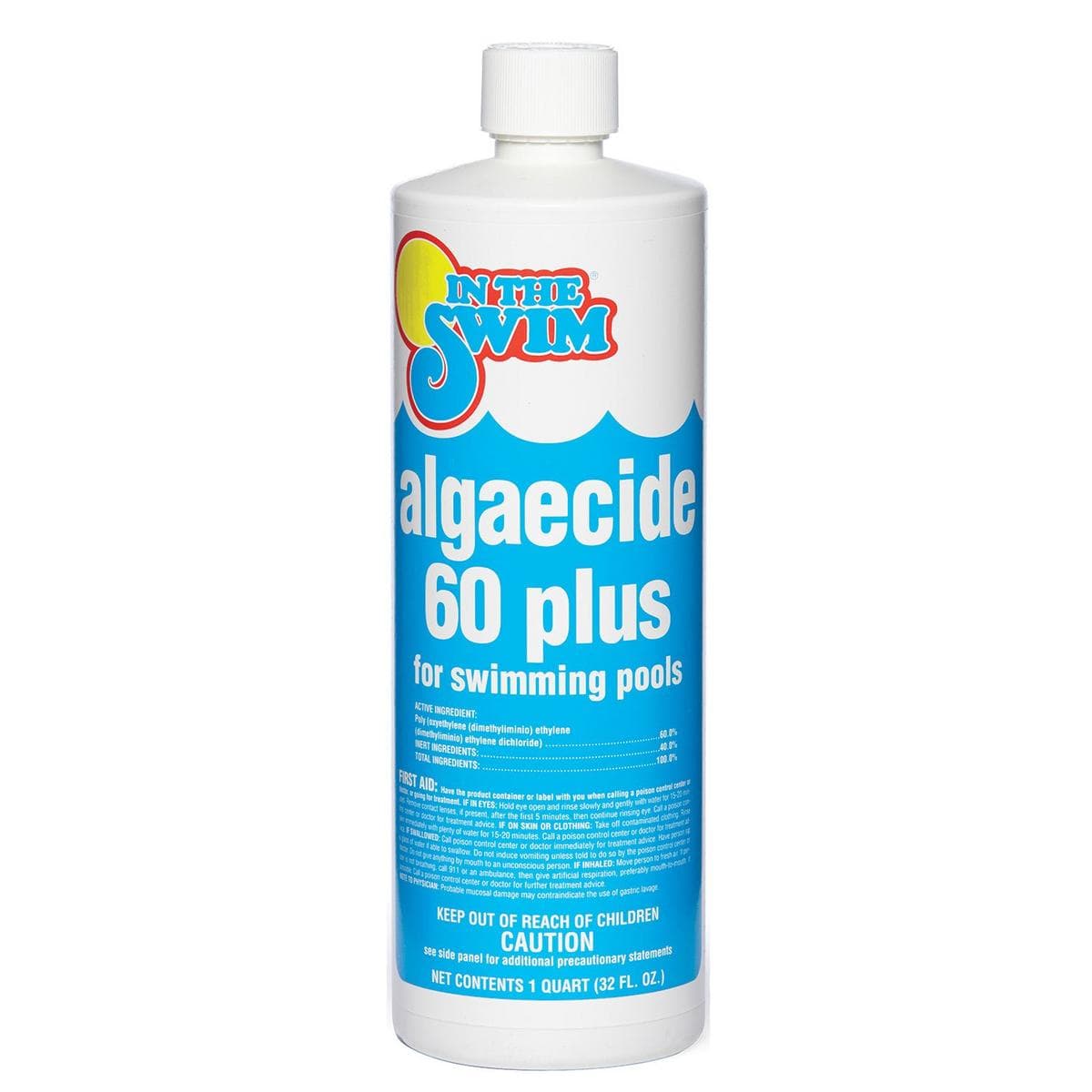
Best overall algaecide: In The Swim Algaecide 60 Plus (1 Quart)
Budget
Polyquat 60 is the algaecide most pool pros hand you when you ask for a no-drama option. In The Swim Algaecide 60 Plus (1 Quart) is a polyquat formula, which means it disrupts algae cell walls without the foaming that plagues cheaper quat products and without the staining risk of copper. That makes it a fit for almost any pool, including vinyl liners where stains are hard to remove.
The tradeoff is speed and cost. Polyquat works best as a preventive, not as a fast killer on a pool that is already green, and it costs more per dose than a basic quat. Owner reports generally praise it for keeping clear water clear, which is exactly the job you want an algaecide to do.
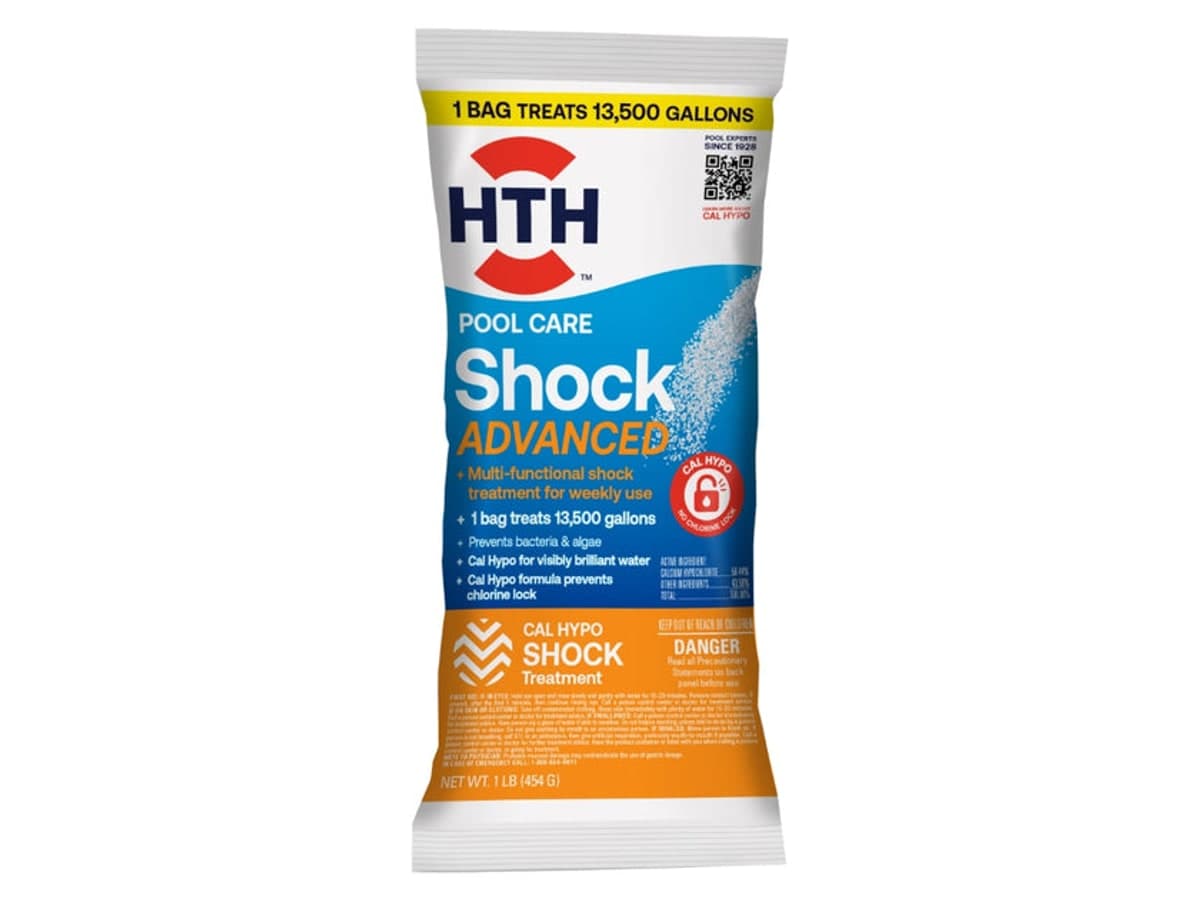
Best for actually killing a green pool: HTH Super Shock Treatment (Cal-Hypo, 1 lb bags)
Budget
When the water is already green, the real fix is chlorine, not algaecide. HTH Super Shock Treatment (Cal-Hypo, 1 lb bags) is calcium hypochlorite, a fast-dissolving shock that drives free chlorine high enough to kill an active bloom. Pair it with brushing and continuous filtering, and only add algaecide once the water clears. The CDC's guidance on treating and testing pool water is a solid reference for why maintaining sanitizer levels matters.
The catch is calcium. Cal-hypo adds calcium hardness every time you use it, which matters if your fill water is already hard or you shock often. Dose by your pool's gallons per the label, and never mix it with other chemicals in the bucket, since combining pool chemicals can trigger dangerous reactions.
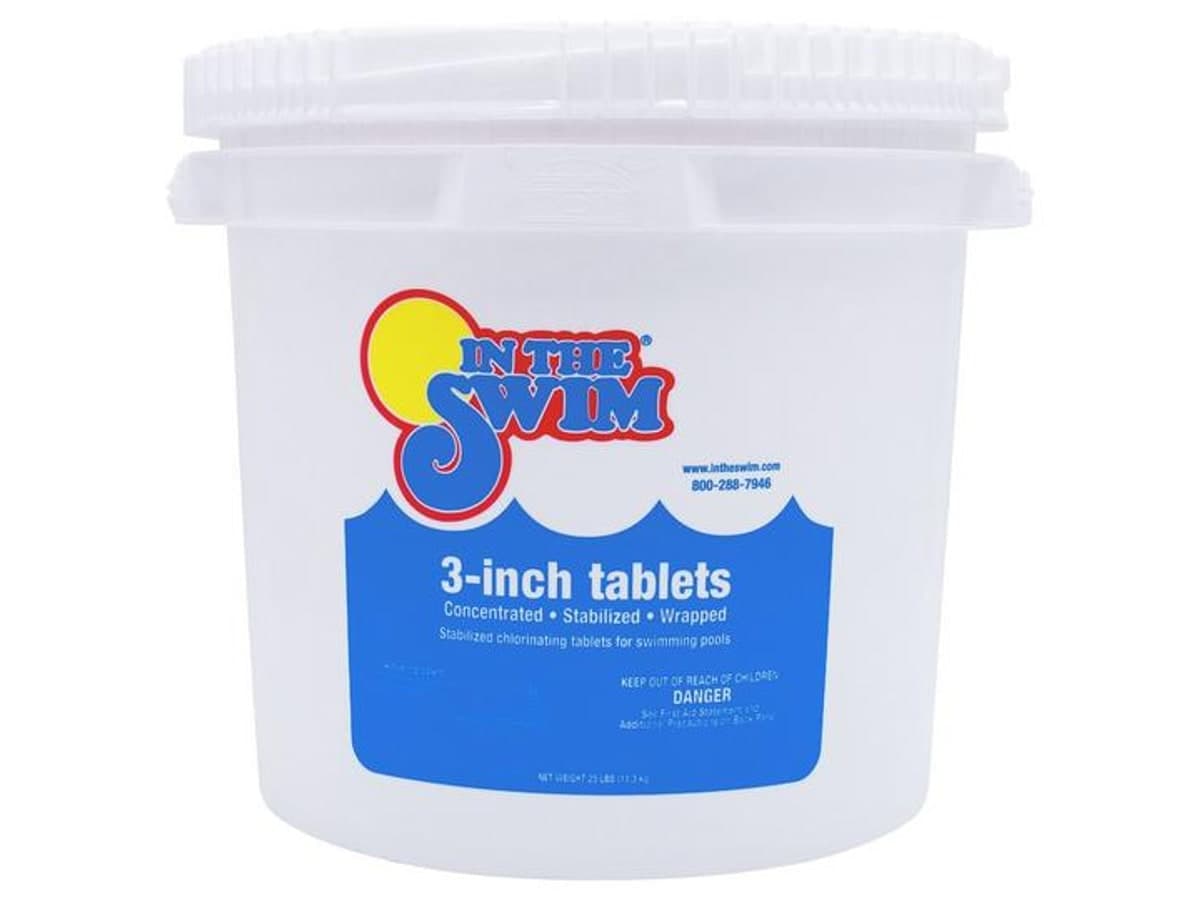
Best prevention that avoids algae entirely: In The Swim 3-Inch Stabilized Chlorine Tablets
Mid-range
The cheapest algae treatment is the bloom that never happens. In The Swim 3-Inch Stabilized Chlorine Tablets feed a steady trickle of chlorine through your floater or feeder, which keeps sanitizer from crashing between doses. Consistent chlorine is the single biggest reason some pools go all summer without ever seeing green.
The tradeoff is CYA, or cyanuric acid, the stabilizer baked into these tablets that protects chlorine from sunlight. Over a season it builds up, and too much CYA (generally above 50 ppm, or higher for salt pools) can stall your chlorine's punch. Test it, and dilute with fresh water if it climbs too high.
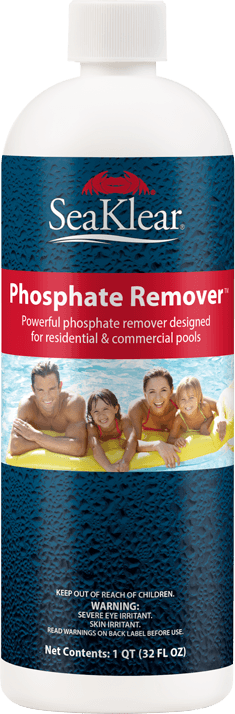
Best for starving repeat blooms: SeaKlear Phosphate Remover (1 Quart)
Budget
If your pool keeps going green no matter how much chlorine you add, phosphates may be feeding it. SeaKlear Phosphate Remover (1 Quart) binds phosphates so they drop out of the water and get filtered away, cutting off a key algae food source. It is a smart tool for pools near heavy landscaping, fertilizer runoff, or well water high in phosphates.
The honest caveat is that phosphate removal is a slow, background fix, not a same-day cure. It works over days and it does not replace chlorine. Whether it helps depends heavily on your specific water, so a phosphate test before and after tells you if it is worth repeating.
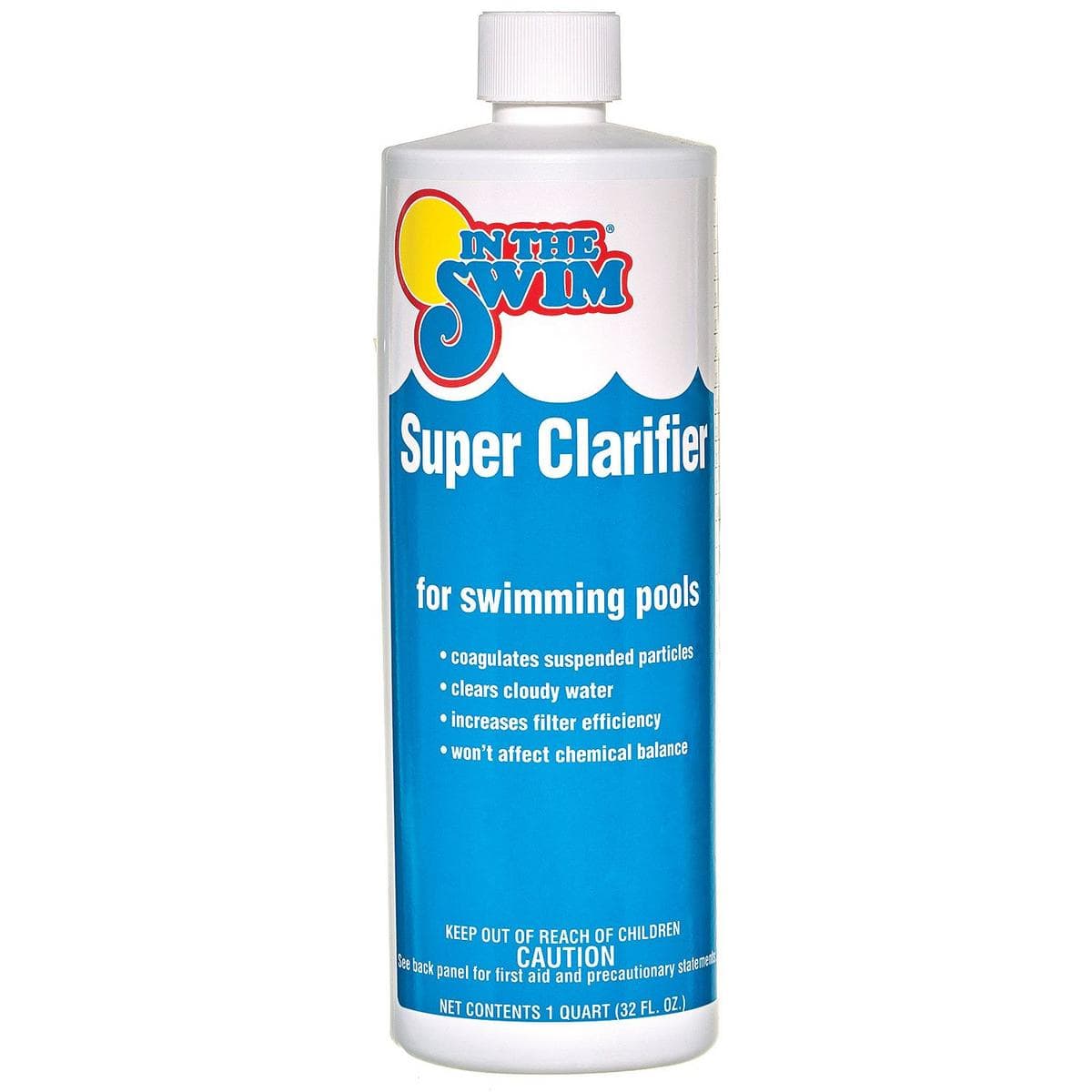
Best for clearing the haze after algae dies: In The Swim Super Clarifier (1 Quart)
Budget
After you kill a bloom, the water often turns cloudy or dull as dead algae floats around too fine for your filter to grab. In The Swim Super Clarifier (1 Quart) clumps those tiny particles into larger ones your filter can catch, speeding up the return to clear water.
Be clear on what it does not do: clarifier has zero effect on living algae. It is a cleanup step, used after chlorine has done the killing. Run your filter continuously after dosing and backwash or clean the cartridge as it loads up.
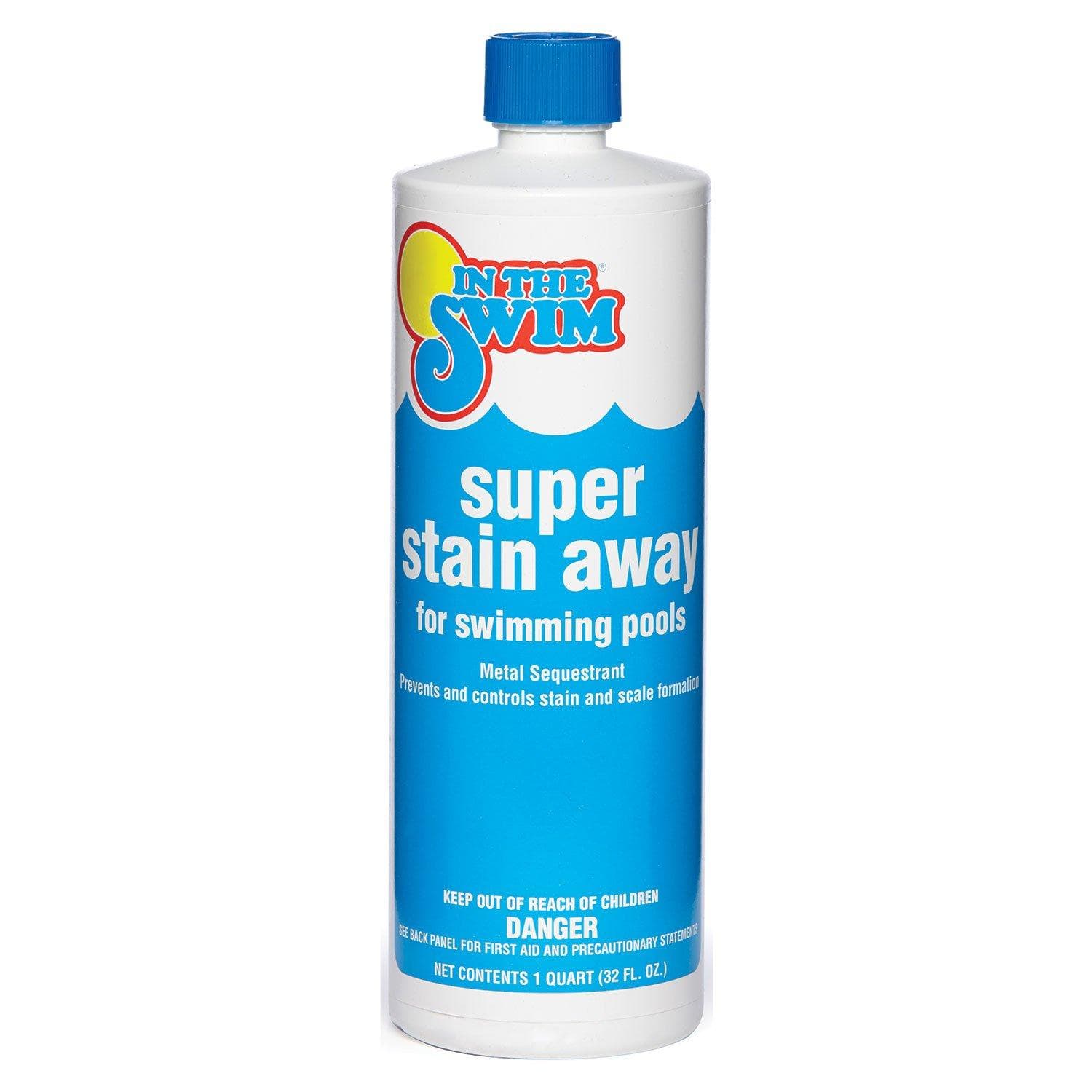
Best for copper-treated or metal-heavy pools: In The Swim Super Stain Away (Stain & Metal Control, 1 Quart)
Budget
Copper-based algaecides are effective on truly stubborn algae, but they can stain surfaces and tint light hair green if copper drifts too high. If you use copper products or your fill water carries metals, In The Swim Super Stain Away (Stain & Metal Control, 1 Quart) helps hold those metals in solution so they do not deposit as stains.
This one manages a side effect rather than killing algae itself, so think of it as insurance that pairs with copper treatment, not a standalone algae fix. Keep your pH balanced, since high pH is what pushes metals out of solution and onto your walls.
When algaecide is genuinely worth it
Reach for algaecide when you are closing the pool for winter, when a heat wave and a full pool keep pulling chlorine down, or when a specific spot keeps blooming back. It is also a reasonable add for salt pools during shoulder seasons when the cell runs less. Our saltwater pool maintenance for beginners guide covers how those systems behave differently.
Skip it as a daily habit if your chlorine and circulation are already solid, since you would be paying for insurance you do not need. Spa owners face the same call on a smaller scale, and our hot tub maintenance for beginners without the chemical panic guide walks through that.
Storing and handling algaecide safely
Store algaecide and every pool chemical in a cool, dry, ventilated spot, in the original container, away from other chemicals. The EPA's guidance on safe storage and handling of pool chemicals and the National Pesticide Information Center's fact sheet both stress never mixing products, since combining, for example, chlorine and acid can release toxic gas.
Always add chemical to water, never water to chemical, and dose by your pool's actual gallons. When a stain, a stubborn bloom, or a chemistry problem gets past what a bottle can fix, that is your cue to call a local pool pro. You can find algaecides, shock, and the rest of a season's supplies on our maintenance supplies page.
Frequently asked questions
Do I really need algaecide if my chlorine is good?
Mostly no. If your free chlorine stays in range and your pump and filter run enough, chlorine handles algae on its own. Algaecide earns its spot as a backup for closing season, low-chlorine stretches, or algae that keeps coming back.
Will algaecide clear a green pool by itself?
Not usually. A visibly green pool needs shock (a big dose of chlorine) plus brushing and filtering to actually kill and clear the bloom. Algaecide added after the water clears helps stop it from returning, but it is a follow-up, not the main fix.
Why does my algaecide make the water foam?
Cheaper quaternary-ammonia (quat) algaecides foam if you overdose them, especially on spas and pools with a lot of water movement. Follow the label dose for your gallons, and choose a polyquat product if foaming bothers you. Foam is cosmetic, not dangerous.
Is copper algaecide safe for my pool?
Copper algaecides work well on stubborn algae but can stain surfaces and tint blond hair green if copper levels climb too high. Use them sparingly, keep your pH balanced, and consider a metal control product if you already have copper in your fill water.
How is algaecide different from a phosphate remover?
Algaecide kills or disrupts algae directly. A phosphate remover strips out phosphates, which are algae food, so the bloom has less to feed on. They solve the problem from different angles, and heavy-phosphate pools sometimes benefit from both.