Heating a pool typically costs somewhere between $100 and $600 or more per month, and the exact number depends on four things: your heater type, your local fuel or electric price, how many gallons you are heating, and how warm you keep the water. A small pool with a heat pump and a cover in mild weather can sit near the low end. A big pool with a gas heater, no cover, and a warm setpoint in cold weather can blow past the high end.
Use the calculator above to size this to your pool. It takes your volume, target temperature, and heater type and turns them into a realistic estimate instead of a guess.
What actually drives the cost
The single biggest factor is how much water you are heating. Pool volume is measured in gallons, and every gallon needs energy to raise its temperature. A 15,000-gallon pool costs roughly half what a 30,000-gallon pool costs to heat by the same number of degrees, all else equal.
The second factor is the temperature difference you are asking for. Warming water from 70 to 80 degrees is a modest job. Warming it from 55 to 88 in October is a much bigger one. Every extra degree of setpoint adds cost, which is why many owners settle around 80 to 82 rather than pushing higher.
Third is fuel type and price. Natural gas is billed in therms, propane in gallons, and electric heat pumps in kilowatt-hours. Rates vary wildly by region, so your neighbor two states over is a poor benchmark.
How the three heater types compare on cost
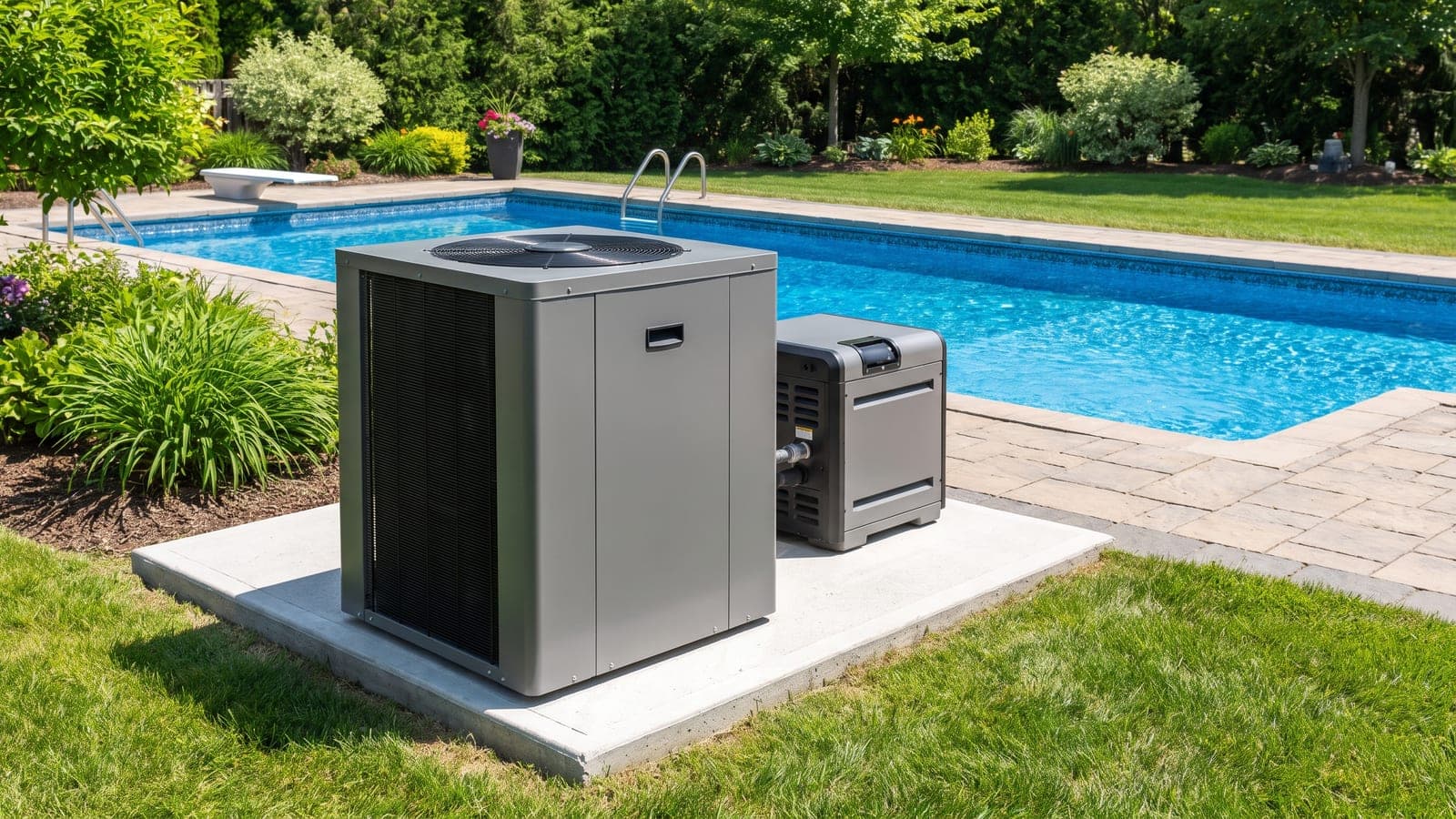
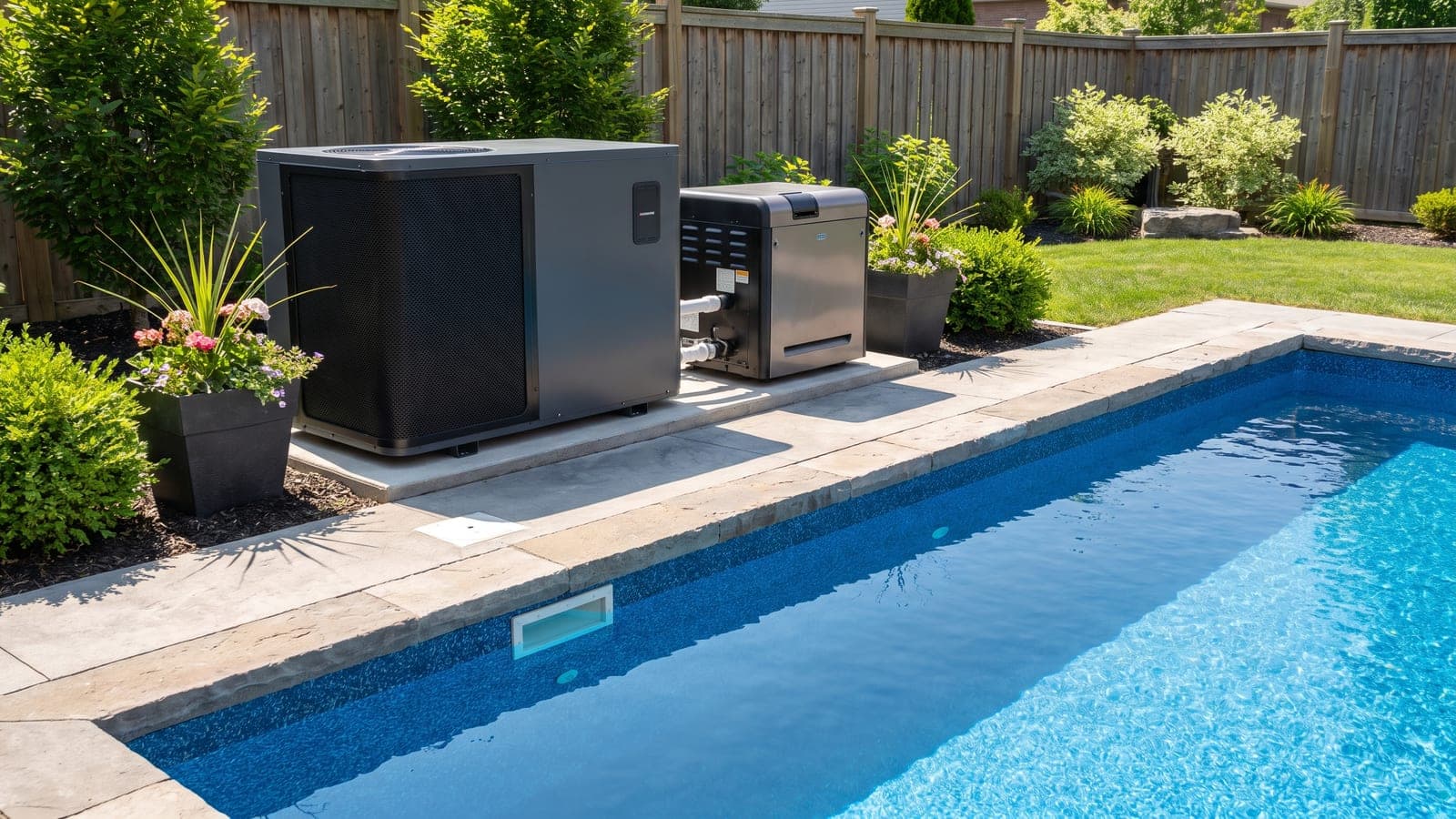
A gas heater burns natural gas or propane to heat water fast. It heats quickly no matter how cold it is outside, which makes it the pick for weekend-only or spa use. The catch is running cost: burning fuel is expensive, and a big unit like the Raypak 266,000 BTU Digital Natural Gas Heater can chew through a lot of therms holding a large pool warm all season.
A heat pump uses electricity to move heat out of the surrounding air into your water, rather than making heat directly. That makes it far more efficient to run, often two to five times cheaper per hour than gas, according to general U.S. Department of Energy guidance on pool heating. The tradeoff is speed and weather: a heat pump heats slowly and loses efficiency as the air cools, so it shines in warm climates and long swim seasons. Units like the Hayward HeatPro 140,000 BTU Heat Pump are built for exactly that job.
An inverter heat pump adds a variable-speed compressor that ramps up and down instead of cycling full-on and full-off. That trims electricity use further, especially when you are just maintaining temperature. The FibroPool FH285-i Inverter Heat Pump (62,000 BTU) is an example of this style for small to mid-size pools. You pay more upfront for the inverter and earn it back on the monthly bill over time.
You can compare specs across all three types on our pool heaters page before you commit.
What does a month of heating really run
Ballpark monthly figures, assuming a mid-size pool and moderate climate, look roughly like this. A heat pump often lands around $100 to $250 a month to maintain a comfortable temperature. A gas heater doing the same job frequently runs $200 to $500 or more, because fuel costs more than moving heat. Extend the season into colder months, skip the cover, or run a large pool, and either number climbs.
These are estimates, not promises. Your actual bill depends on your utility rate, your pool volume, your setpoint, and your local weather, so treat any single number online with suspicion and run your own figures in the calculator.
The cheapest upgrade is not a heater
Before you spend on any heater, spend on a cover. Most of a pool's heat escapes through evaporation at the surface, and a cover stops it. The U.S. Department of Energy estimates a pool cover can cut heating costs by 50 to 70 percent, which often saves more money than switching heater types.
A basic solar cover (the bubble-wrap-looking kind) is the entry point and pays for itself fast on a heated pool. See the Energy Department's guide on swimming pool covers for the details on how much they save.
Your pump matters too. Running a right-sized, efficient pump on a schedule instead of a single-speed motor around the clock trims the electric side of your bill. ENERGY STAR certified pool pumps can cut pump energy use substantially, and that is separate from the heater.
How to lower the bill without turning off the heat
Set a realistic temperature. Dropping from 84 to 80 degrees is barely noticeable in the water and clearly noticeable on the bill.
Use a cover every time the pool is not in use, including overnight, when evaporation losses are worst. Heat the pool on a schedule that matches when you actually swim rather than holding it hot 24/7. Keep your water chemistry balanced so the whole system runs clean and efficient; our pool chemistry basics without the lab coat guide covers the essentials, and if you run a salt pool, the saltwater pool maintenance for beginners guide walks through the extras.
If you mostly want warm water for a spa or small heated area rather than the whole pool, the math changes a lot, and our hot tub maintenance for beginners without the chemical panic guide is a better starting point.
The short version
Expect roughly $100 to $600 a month, with heat pumps at the lower end and gas heaters at the higher end for the same job. A cover is the highest-return purchase you can make. Size the heater to your actual gallons and climate rather than buying the biggest unit on the shelf, and check the specific model's manual and listing for exact BTU output, flow rates, and efficiency numbers before you buy. Run your own volume and temperature through the calculator above to get a figure you can trust.
Frequently asked questions
Is a gas heater or a heat pump cheaper to run?
A heat pump almost always costs less per month to operate because it moves heat from the air instead of burning fuel to make it. A gas heater usually wins only if you want the water hot fast or occasionally, since it heats in hours regardless of outside temperature. Your local gas and electric rates decide the exact gap.
How much does a pool cover actually save?
A lot, because most heat leaves through evaporation at the surface. The U.S. Department of Energy estimates covers can cut heating costs by 50 to 70 percent, which often matters more than which heater you buy. A basic solar cover is the cheapest upgrade you can make to a heated pool.
Why is my pool heating bill so much higher than my neighbor's?
Usually it comes down to volume, target temperature, and whether you use a cover. A bigger pool, a warmer setpoint, and colder nights all raise the bill fast. Wind exposure and running the heater around the clock instead of on a schedule also add up.
Can I just heat my pool on weekends to save money?
Yes, and many owners do exactly that with a gas heater because it reheats quickly. The tradeoff is that letting the water cool fully between uses means paying to reheat the whole volume each time. A cover between sessions holds the heat you already paid for.
Does pool size change the running cost or just the upfront cost?
Both. A larger pool holds more gallons, so every degree of heating costs more energy, and it usually needs a bigger heater to keep up. Sizing the heater to the pool matters, which is what the calculator above helps you figure out.