Nine times out of ten, a pool heater that will not heat has a water flow problem, not a broken heater. Before you price out a new unit, walk through the simple checks below. Most of them are free, and the fix is often a clean filter or a valve that got bumped.
This guide covers both gas heaters and heat pumps. A gas heater burns natural gas or propane to make heat fast. A heat pump moves warmth from the air into your water more slowly but at a lower running cost. The causes overlap, but a few checks are specific to each type.
Is water actually flowing through the heater?
Start here, because low flow is the number one reason a heater refuses to heat. Nearly every heater has a flow switch or pressure switch that blocks the burner or compressor from running when water is not moving fast enough. It is a safety feature, and it is doing its job.
Run your pump on high speed. If you have a variable speed pump, a low eco setting may not push enough water for the heater to fire. Check your filter pressure gauge. If the reading is 8 to 10 PSI above its clean baseline, the filter is dirty and choking flow.
Backwash a sand or DE filter, or pull and rinse a cartridge. Then check the pump basket and skimmer baskets for leaves and debris. A packed basket starves the pump just like a dirty filter does.
Are the valves and settings right?
It sounds too simple, but bumped valves and wrong settings stop heaters every season. Walk the plumbing and make sure the valves feeding the heater are open and the bypass valve, if you have one, is set to send water through the heater.
Check the control panel next. The set temperature needs to be higher than the current water temperature, or the heater has no reason to run. Confirm the mode is set to pool, not spa, if your system serves both. Some panels also have a separate on or fireman switch that has to be enabled.
If your heater shares a timer with the pump, the heater only runs during the pump's on cycle. A timer that got reset after a power outage is a common quiet culprit.
For gas heaters: is fuel and ignition working?
If you have a gas unit like the Pentair MasterTemp 125K Natural Gas Heater or the Hayward Universal H-Series 150K Natural Gas Heater, confirm the gas is actually reaching it. Check that the gas supply valve at the heater is open, and that your propane tank is not low or empty.
If other gas appliances in the house work fine, the supply line is probably okay. Listen and watch for ignition. Many modern heaters show an error or fault code when ignition fails, so note the code and check it against the manual.
Do not try to fix an ignition, gas valve, or burner problem yourself. Gas work is a pro job. If you smell gas at any point, shut the unit off, leave it alone, and call a technician.
For heat pumps: is it just too cold outside?
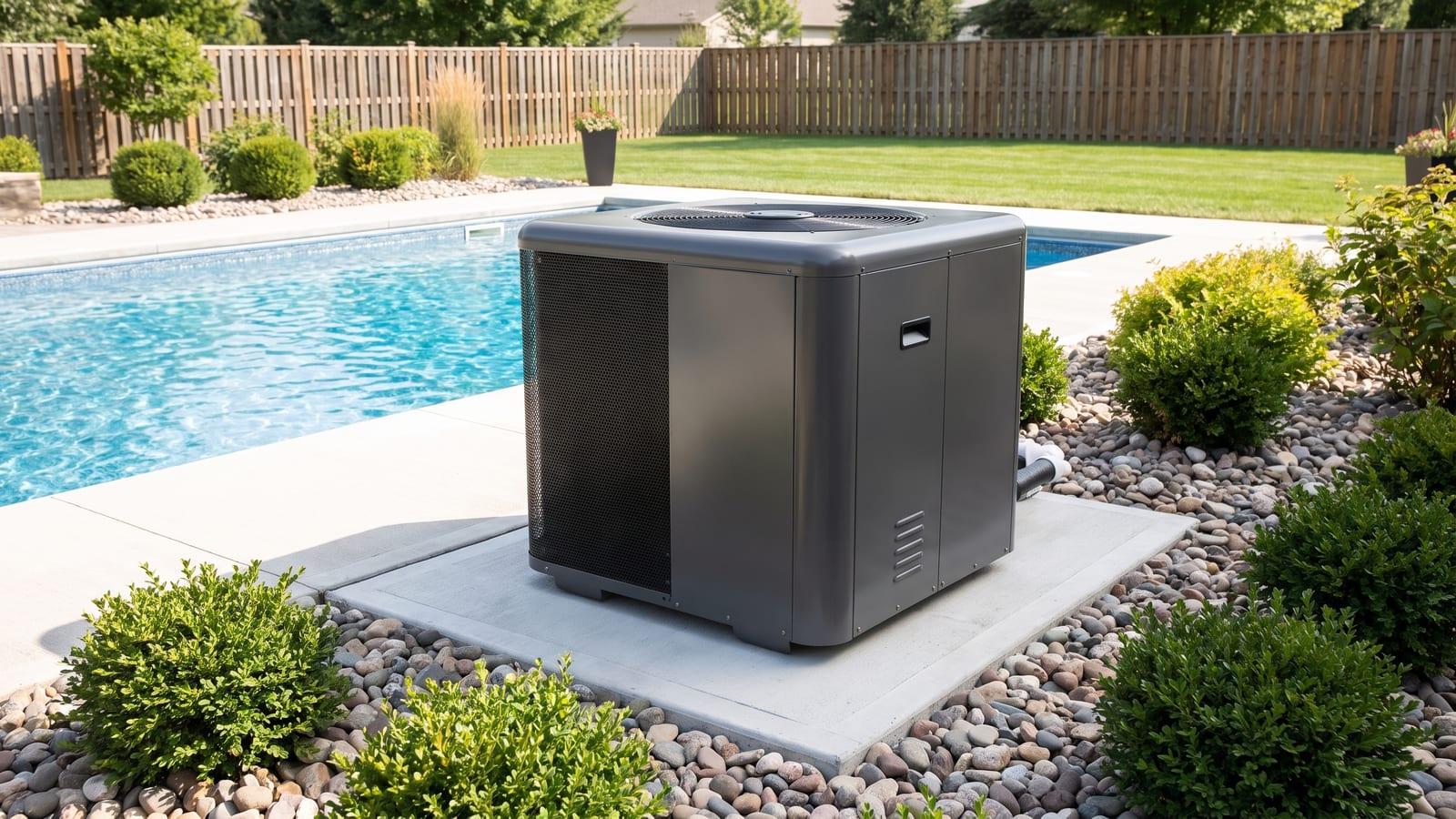
A heat pump like the Hayward HeatPro 90,000 BTU Heat Pump or the FibroPool FH255 55,000 BTU Heat Pump pulls warmth from the surrounding air. As air temperature falls, so does its output, and many models stop heating entirely somewhere around 45 to 50 degrees Fahrenheit. That is physics, not a defect.
Check the manual for your unit's minimum operating temperature. On a cold morning, the heater may simply be waiting for warmer air. Also make sure the fan and coils are clear. Leaves, grass clippings, or a wall built too close to the unit block the airflow it needs to work.
Ice or heavy frost on the coils means the defrost cycle is running or struggling, which is normal in cool weather but slows heating. If the compressor never kicks on and the air is mild, that points to an electrical or refrigerant issue for a pro. The U.S. Department of Energy has a helpful overview of pool heating options if you are weighing a repair against a replacement.
Could pool chemistry be the hidden problem?
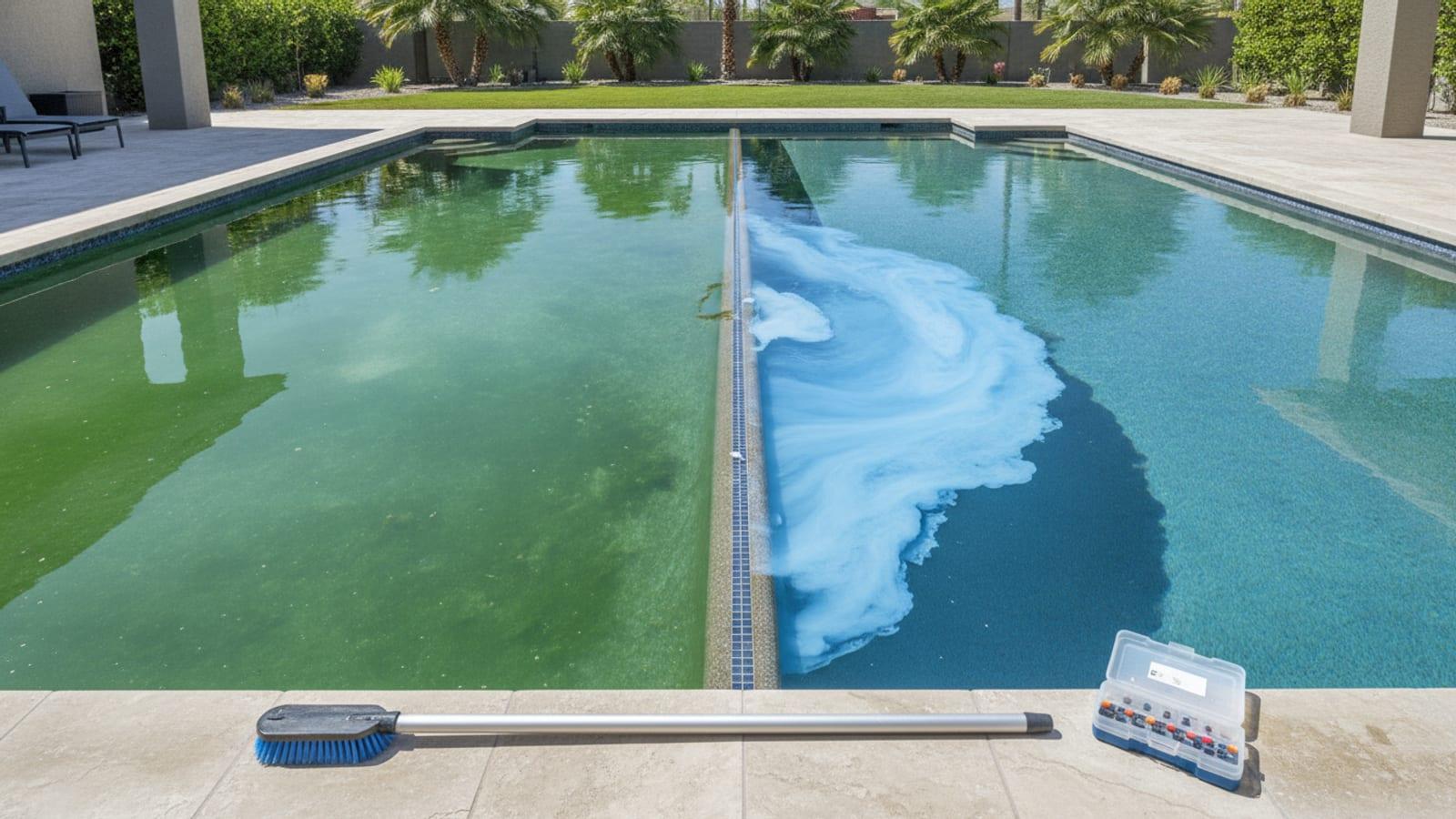
Bad water chemistry does not usually stop a heater cold, but it quietly destroys them over time. Water that is too acidic or too high in chlorine corrodes the heat exchanger, the copper part that transfers heat to your water. A corroded exchanger can leak, restrict flow, and eventually kill the heater.
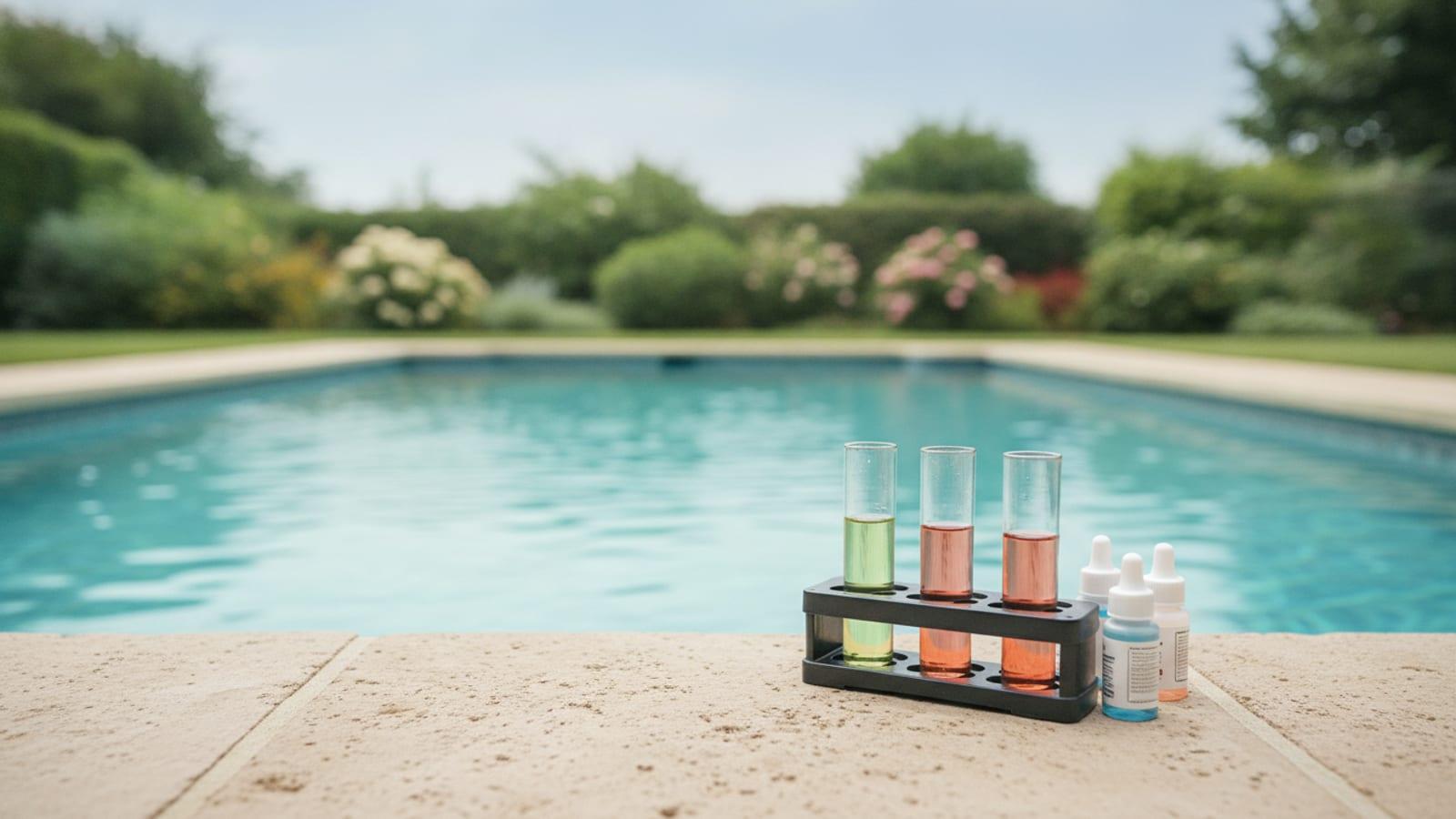
Test and balance your water so pH sits around 7.4 to 7.6 and chlorine stays in a normal range. Our guide to pool chemistry basics walks through the numbers without the lab coat. If you run a salt system, the same rules apply, and our saltwater pool maintenance guide covers the extras. Hot tub owners can lean on the hot tub maintenance guide for the same balancing habits.
Is the heater just undersized or the pool losing heat?
Sometimes the heater works fine and the pool is simply too big for it, or losing heat faster than the unit adds it. A small heat pump on a large pool may run all day and only nudge the temperature up a degree or two.
An uncovered pool bleeds heat to the air overnight, especially through evaporation. A solar or thermal cover is the cheapest way to hold onto the heat you paid for, and the Department of Energy notes covers can sharply cut heat loss. See the guidance on pool covers for the details.
If you decide the unit really is too small, size the replacement to your pool volume and climate rather than guessing. Larger inverter models like the FibroPool FH285-i Inverter Heat Pump (62,000 BTU) run more efficiently at part load. You can compare options on our pool heaters page, and pairing any heater with an efficient, ENERGY STAR listed pump keeps running costs down. The ENERGY STAR pool pump list is a good starting point.
The short version
Check flow first: clean the filter, empty the baskets, run the pump on high, and open the valves. Confirm the set temperature is above the water temperature and the mode is right. For gas units, verify fuel and read any error codes. For heat pumps, rule out cold air and blocked coils. Keep your chemistry balanced so the heater lasts, and call a pro for anything involving gas, refrigerant, or wiring.
Frequently asked questions
Why does my pool heater turn on but the water stays cold?
Usually the heater is firing but water is not moving through it fast enough, or the pool is simply large and cold. Check that the pump is running on high, the filter is clean, and valves are open. If flow looks fine, remember heat pumps can take a day or more to raise a full pool a few degrees.
How long should it take to heat my pool?
It depends on pool volume, heater output in BTUs, air temperature, and whether you use a cover. A gas heater might raise a small spa quickly, while a heat pump on a 20,000-gallon pool can take 24 to 72 hours for a noticeable change. Check your heater manual for the expected rise per hour.
Can a dirty filter really stop my heater from working?
Yes. A clogged filter drops water flow, and most heaters have a flow or pressure switch that shuts the burner or compressor off when flow is too low. Clean or backwash the filter first, since it is the cheapest and most common fix.
Why does my heat pump stop heating when it gets cold outside?
Heat pumps pull warmth from the air, so their output falls as air temperature drops and many models stop near 45 to 50 degrees Fahrenheit. This is normal, not a fault. Check the manual for the minimum operating temperature of your specific unit.
When should I stop troubleshooting and call a pro?
Call a professional for gas smells, repeated error codes, ignition faults, refrigerant issues, or any electrical work. Gas and high-voltage repairs are not DIY territory. It is fine to check flow, filters, and settings yourself, but hand off anything involving fuel or wiring.