Your pool heater will not fire because something upstream is telling it not to, and nearly every cause falls into one of five buckets: water flow, power, gas, ignition, or a safety sensor. Work them in that order and you will find the problem or know when to hand it to a pro. Skipping around is how people replace a $200 part that was never broken.
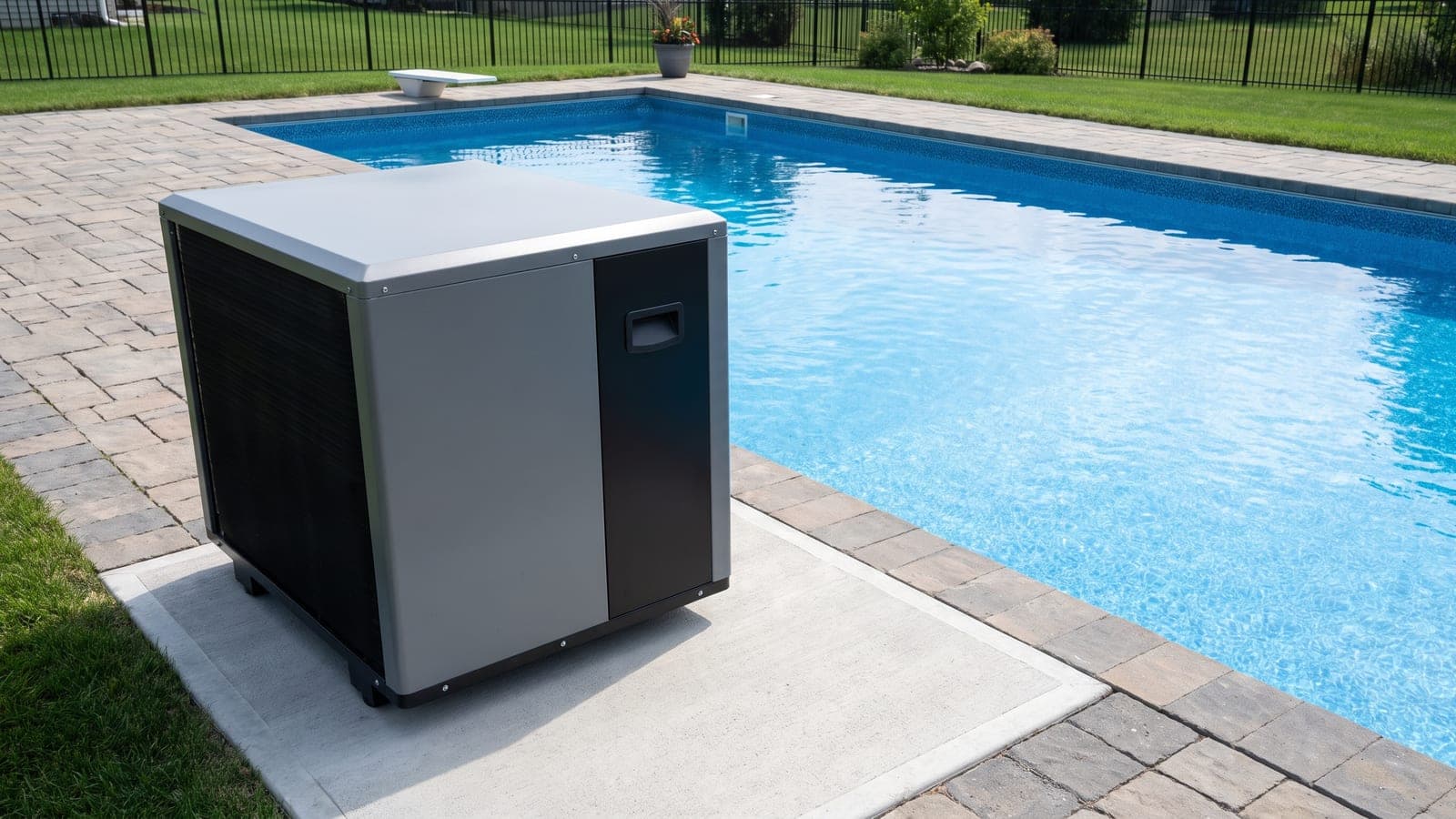
Before you touch anything, know which heater you have. A gas heater like the Pentair MasterTemp 125K Natural Gas Heater burns fuel to make heat. A heat pump like the Hayward HeatPro 90,000 BTU Heat Pump moves heat from the air using electricity. They fail in different ways, so the diagnosis splits partway down.
Is water actually moving through the heater?
Start here every time. Almost every heater has a pressure or flow switch that refuses to fire unless enough water is passing through. It is a safety feature that stops the unit from cooking a dry heat exchanger, which is the copper or titanium coil that transfers heat to your water.
Check the obvious first. Is the pump running? Is the filter clean? A clogged filter or a stuffed pump basket can starve flow enough to keep the heater dark even though water looks like it is moving.
Then check your valves. A half-closed valve, a diverter set wrong after service, or a variable-speed pump running too slow can all drop flow below the switch's threshold. If your pump has a low "priming" or eco speed, bump it up and see if the heater lights.
Does the heater have power and a call for heat?
No power, no fire. Check the breaker at the panel, and look for a dedicated disconnect switch near the heater itself. Heaters often sit on their own circuit, so the rest of your equipment can hum along while the heater sits dead.
Next, the thermostat. Set your target temperature several degrees above the current water temperature so the unit knows you actually want heat. If the display is blank, you may have lost power upstream. If it shows an error code, write it down and check the manual, because those codes point you straight at the fault.
For gas heaters: is fuel getting there and lighting?
If flow and power check out on a gas unit, move to fuel. Confirm the gas supply valve is open. If you run propane, check the tank level, because a heater is a thirsty appliance and a low tank will not sustain a flame.
Modern gas heaters use electronic ignition rather than a standing pilot. When they fail to light, they usually try a few times and then lock out, often flashing an ignition or flame-sense code. Cycling power off and back on clears many lockouts. If it lights and then quits, you are likely back to a flow or sensor problem.
Here is the honest line: gas, valves, burners, and gas pressure are not DIY zones. If you smell gas, shut off the supply and step back. A repeated ignition lockout that a reset will not clear is a call to a licensed tech, not a parts-swap experiment.
For heat pumps: is it just too cold outside?
Heat pumps have a quirk that looks like a failure but is not. They extract warmth from the surrounding air, so once the air drops below roughly 45 to 50 degrees Fahrenheit, most units stop producing usable heat and may refuse to run. A unit like the FibroPool FH255 55,000 BTU Heat Pump will list its own low-temperature cutoff in the manual.
If your heat pump is quiet on a cold morning, that may be the design working as intended. Check the ambient temperature and the manual's minimum before assuming a defect. For a full breakdown of how these units size to a pool, the pool heaters roundup lays out BTU and climate tradeoffs.
What if flow, power, and fuel all look fine?
Now you are into sensors and safeties. A high-limit switch that trips on overheating, a failed water-temperature sensor, or a fouled flow switch can all block ignition even when everything upstream is healthy. These parts are cheap, but diagnosing which one has failed usually needs a multimeter and the wiring diagram.
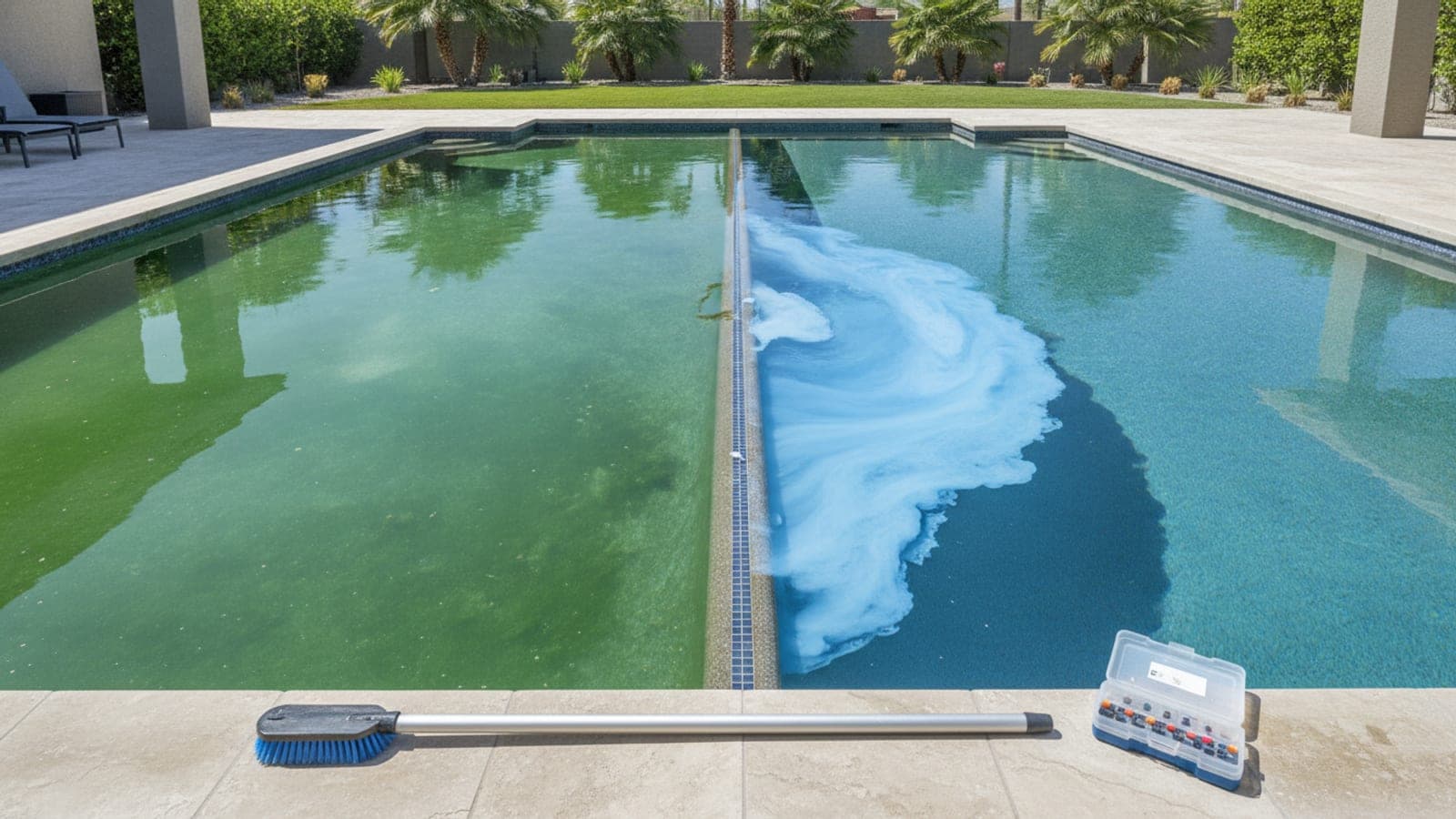
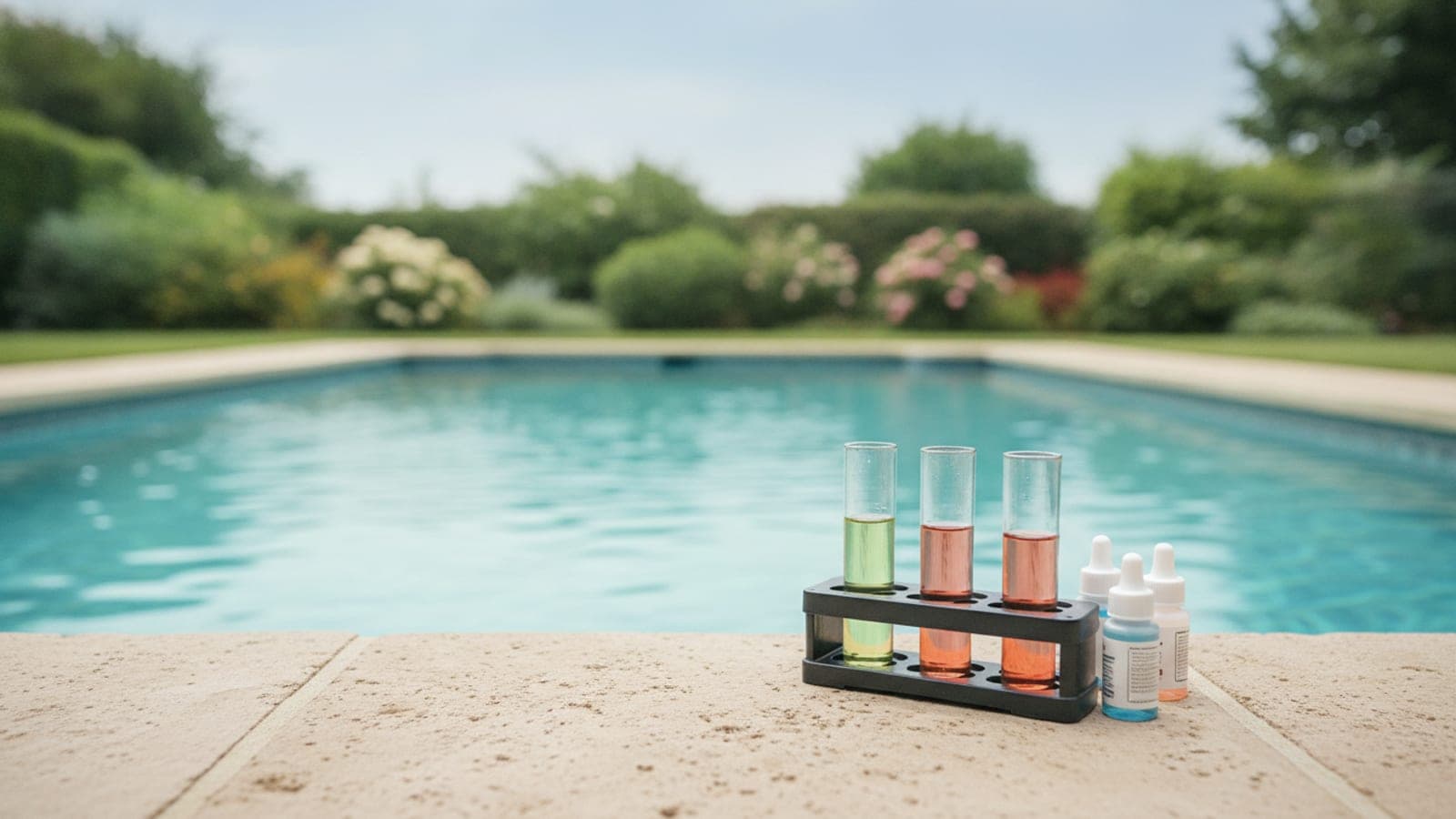
Water chemistry plays a slow role here too. Corrosive or scaling water damages the heat exchanger and sensors over months, so balanced water is part of keeping a heater firing long term. If your numbers drift, the pool chemistry basics without the lab coat guide covers what to test and correct, and salt-pool owners should skim the saltwater pool maintenance for beginners notes since salt cells and heaters share plumbing.
When should I stop and call a pro?
Stop when the next step involves gas lines, refrigerant, electrical repair inside the cabinet, or a fault code that a reset will not clear. Those repairs carry real safety and warranty stakes, and a tech will find the culprit faster than guesswork.
You can safely own the front end of this path: check flow, clean the filter, confirm power, verify the thermostat, top off propane, and clear a lockout with a power cycle. That resolves a large share of no-fire calls without a service fee.
One efficiency note while the heater is off. A cover slashes the heat loss you are paying to replace, and the U.S. Department of Energy calls covers the single most effective way to cut pool heating cost (see energy.gov). Pairing an efficient pump (ENERGY STAR) with a right-sized heater keeps run costs sane once you are firing again. For the heat math behind sizing, the DOE pool heating guide is worth a read. Warming a spa instead? The hot tub maintenance for beginners without the chemical panic guide covers the smaller-volume version of the same problems.
Frequently asked questions
Why does my pool heater turn on but shut off after a minute?
That short-cycle pattern usually points to low water flow or a dirty filter tripping the pressure switch. Clean or backwash the filter, check the pump basket, and make sure valves are open. If it keeps happening, a sensor or the high-limit switch may be involved and worth a pro visit.
Is it safe to relight a gas pool heater myself?
Relighting an electronic-ignition heater by cycling power is fine, but do not attempt repairs on gas lines, valves, or burners yourself. If you smell gas, shut the gas off and step away. Anything past a reset or filter cleaning is pro territory.
Why will my heat pump not fire in cold weather?
Heat pumps pull warmth from the air, so most models stop working below roughly 45 to 50 degrees Fahrenheit. That is normal, not a fault. Check your manual for the exact low-temp cutoff, since it varies by model.
Could my pool chemistry stop the heater from firing?
Not directly for ignition, but bad chemistry corrodes the heat exchanger over time, which can trigger flow and safety faults later. Balanced water protects the equipment. It depends on your pool, so test regularly rather than guessing.
How do I know if it is the thermostat or the heater?
Set the target temperature well above the current water temp and listen for the call for heat. If nothing happens with correct flow and power, the thermostat or control board may be the issue. A pro can confirm with a meter faster than trial and error.